
Introduce a Plant Into Your Space: Why It’s Worth It
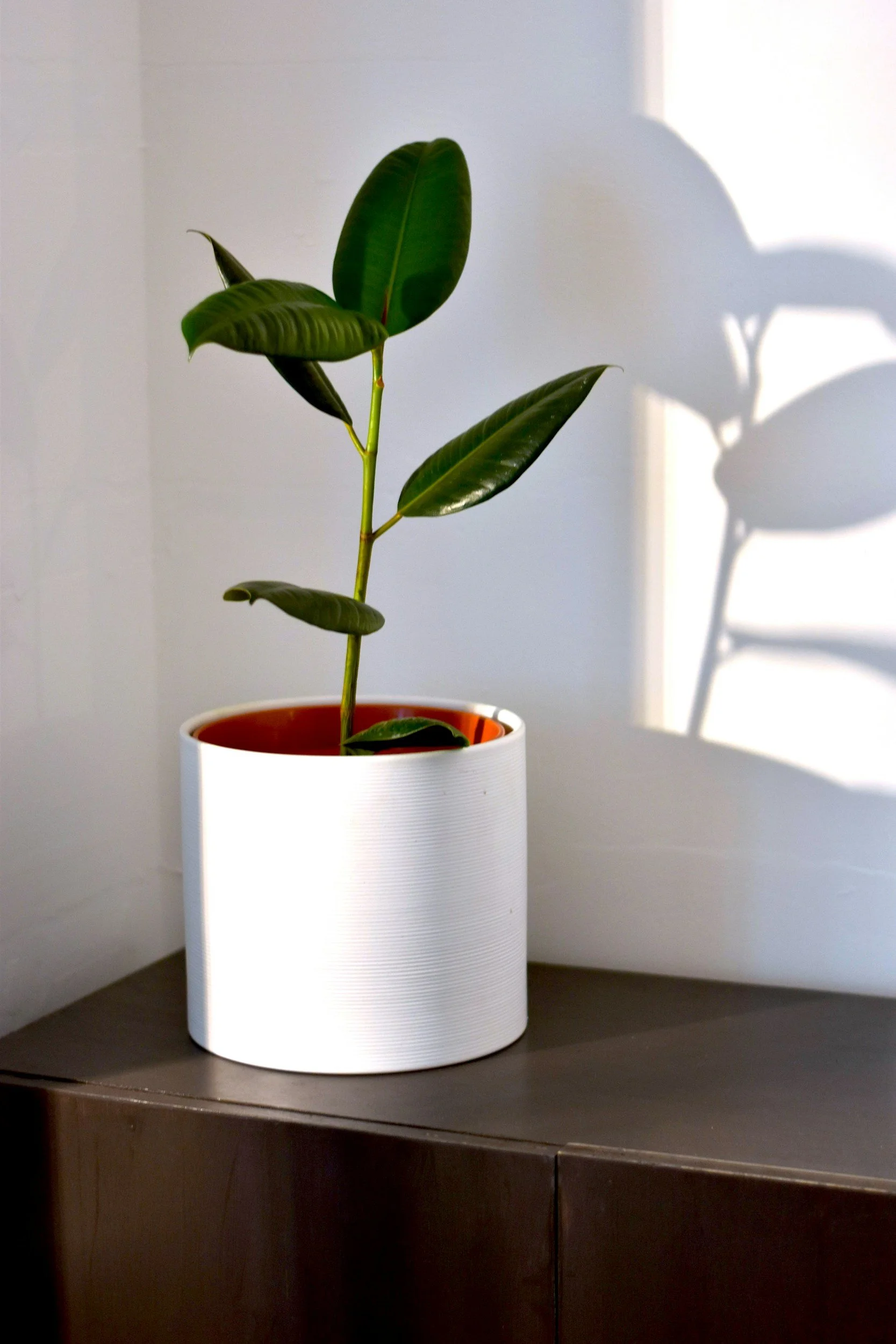
Introduce a Plant Into Your Space: Why It’s Worth It
Adding a plant to your space might seem simple. A little greenery on your desk or a potted plant by the window,but the benefits go far beyond aesthetics. Plants are living companions that impact your mood, productivity, and even your health. They’re a reminder that life is growth, patience, and care, and introducing them into your environment can have surprisingly profound effects.
Whether you live alone, with roommates, or in a bustling household, plants bring life, calm, and a tangible sense of progress. Here’s why you should consider introducing a plant into your space, and how to do it in a way that enhances your life.
1. Plants Improve Your Mood
Studies show that being around greenery reduces stress, boosts mood, and promotes feelings of calm. Plants offer a visual and emotional connection to nature, which our brains naturally respond to with comfort. Even small changes, like a succulent on your nightstand or a trailing ivy on a shelf, can make your space feel more inviting and emotionally supportive.
Example: After bringing a small fiddle leaf fig into my office, I noticed I felt calmer during long workdays. Just seeing it thrive made my space feel lighter, and I found myself approaching tasks with more focus and positivity.
2. They Boost Productivity and Focus
Plants aren’t just beautiful, but they’re functional. Research suggests that having plants in your workspace can improve concentration, creativity, and productivity. The presence of greenery reduces mental fatigue and makes tasks feel more manageable.
Example: I added a couple of potted plants around my home office. Surprisingly, I found I was able to focus for longer stretches without feeling drained, and brainstorming sessions became more fluid. The plants became a silent motivator, reminding me that growth takes time; just like my work.
3. Caring for a Plant Teaches Patience
A plant doesn’t grow overnight. Watching it slowly thrive requires patience, consistency, and attention. Introducing a plant into your space is like practicing mindfulness with a living companion.
Example: I started with a small snake plant. I didn’t see dramatic growth immediately, but I learned to care for it daily. I did things such as watering just enough, adjusting sunlight, rotating the pot, and changing soil. Over weeks, I noticed tiny signs of growth, teaching me that steady, patient effort produces results over time.
4. They Encourage Mindfulness and Presence
Interacting with a plant encourages you to slow down, observe, and be present. Checking the soil, adjusting light, or trimming leaves requires attention and care. Just a small ritual that grounds you.
Example: Each morning, I water my plants and check their leaves. This small, intentional practice sets a mindful tone for my day. It’s a moment to pause, breathe, and connect with life outside of my digital or busy routines.
5. Plants Clean Your Air (Literally)
Many houseplants help improve air quality by filtering toxins and producing oxygen. While a plant isn’t a replacement for proper ventilation, it does contribute to a healthier, fresher indoor environment.
Example: I added a few peace lilies and a spider plant to my living room. Over time, the air felt crisper, and my allergies seemed less irritating. It’s a subtle but meaningful improvement to my daily environment.
6. They Add Life and Personality to Your Space
Plants aren’t just functional; they’re aesthetic. A well-placed plant adds color, texture, and warmth to your environment. They can soften harsh lines in a room, create visual interest, and make your space feel more inviting.
Example: A trailing pothos in my bookshelf added a sense of movement and energy to an otherwise static corner. It became a conversation starter for guests and a small reminder that my environment can evolve, just like me.
7. Start Small and Grow Your Greenery
If you’re new to plants, start small. Low-maintenance plants are perfect for beginners:
Snake Plant: Hardy, needs minimal water, thrives in low light.
Succulents: Small, decorative, and require little attention.
Pothos: Fast-growing, tolerant of varied light, easy to propagate.
Spider Plant: Resilient, grows quickly, helps clean the air.
Start with one or two plants and observe how they affect your mood, focus, and space. You can always expand your indoor garden later.
Example: I began with a small succulent on my desk. Once I noticed the benefits, I gradually added a spider plant, a snake plant, and a few trailing vines. Over months, my space transformed into a mini indoor jungle that energizes me daily.
8. Create a Care Routine
Caring for a plant is about consistency. Develop a simple routine that works for you:
Watering schedule (check the soil first, overwatering is common).
Adjust light exposure as needed.
Prune dead leaves or branches regularly.
Rotate plants to ensure even sunlight exposure.
Example: I keep a small notebook near my plants to track watering and growth. This habit makes care manageable and also turns plant maintenance into a mindful, reflective practice.
9. Plants Inspire Reflection and Growth
Watching a plant thrive reminds us of the importance of nurture, patience, and attention. They offer a quiet metaphor for life: growth takes time, resilience is essential, and small daily efforts lead to transformation.
Example: Observing my trailing ivy stretch toward the window reminded me that steady progress, even when unseen at first, leads to visible results. It’s a subtle reminder that growth in life—habits, relationships, or personal goals; works the same way.
10. Build Emotional Connection
Plants invite emotional investment. You start noticing their needs, celebrating their growth, and feeling responsible for their wellbeing. This fosters a sense of care, empathy, and responsibility that extends beyond the plant itself.
Example: After caring for a small succulent that struggled initially, I felt a sense of pride when it thrived. That small connection boosted my confidence in taking care of other areas of life. Just showing that nurturing something, even small, matters.
11. Incorporate Plants into Your Lifestyle
Plants aren’t limited to being decoration; they can integrate into routines, wellness, and lifestyle:
Place a calming plant near your workspace for focus.
Keep a small plant in the kitchen for fresh herbs.
Create a meditation corner with greenery to encourage reflection.
Give a plant as a gift to bring growth and life into someone else’s space.
Example: I keep a small aloe vera plant on my nightstand. It reminds me to care for myself. I check the leaves, sometimes using it for minor cuts, and enjoying its soothing presence. It’s a tangible reminder of nurture in everyday life.
12. Enjoy the Journey, Not Just the Growth
Finally, enjoy the process. Plants teach us that growth isn’t instantaneous, and progress comes with patience. Observing them flourish over weeks and months can teach mindfulness, resilience, and gratitude.
Example: My ficus took months to adjust to my apartment. Watching it slowly produce new leaves and thrive reminded me that life, like plants, requires patience and steady care.
Conclusion
Introducing a plant into your space is more than a decorative choice. It’s an investment in your wellbeing, mindfulness, and personal growth. Plants improve mood, focus, and air quality while teaching patience, care, and reflection. They remind us that growth is gradual, resilience is key, and small, consistent actions lead to meaningful results.
Whether you start with a single succulent or cultivate a lush indoor garden, plants can transform your space and mindset. They teach lessons that go beyond aesthetics, offering metaphors for patience, progress, and self-care.
So, pick a plant, place it where you’ll see it, and let it grow alongside you. The small act of introducing life into your environment might be the reset your mind, body, and spirit needed.
Do you have a favorite plant or green corner in your space?
Disclaimer: The content on this blog is provided for informational and entertainment purposes only. It reflects personal opinions and experiences and should not be considered professional medical, financial, legal, or psychological advice. Always consult a qualified professional before making decisions that may affect your health, finances, or overall well-being. While every effort is made to ensure the information shared is accurate and up to date, no guarantees are made regarding its completeness or reliability. Use the content at your own discretion and risk.