
Let’s Get Hydrated: The Simple Habit That Transforms Your Health
Let’s Get Hydrated: The Simple Habit That Transforms Your Health
We live in a world where health advice can feel overwhelming: try this diet, follow that workout plan, add these ten supplements. But sometimes the most powerful change is also the simplest. Before chasing trends, let’s start with the foundation of human life: water.
Staying hydrated is one of the easiest, most affordable ways to improve your energy, focus, and overall health. And yet, so many of us overlook it. We power through days with coffee, soda, or energy drinks, barely sipping water until we’re parched. But dehydration doesn’t just make you thirsty and it impacts everything from your mood to your long-term health.
It’s time to make hydration a priority. Not as a fad, not as a quick fix, but as a lifelong habit.
Why Hydration Matters More Than You Think
Your body is made up of about 60% water. Every system you have from your brain, heart, muscles, and to skin, which relies on water to function. When you’re even slightly dehydrated, the effects ripple across your body.
Energy drops. Dehydration is one of the most common (and overlooked) causes of fatigue.
Focus suffers. Studies show that even mild dehydration impairs memory, attention, and mental clarity.
Mood dips. Water influences neurotransmitters, which means being dehydrated can make you feel irritable or anxious.
Physical performance decreases. Muscles cramp, endurance drops, and recovery slows when you’re not properly hydrated.
Long-term health risks rise. Chronic dehydration has been linked to kidney problems, urinary tract infections, and even heart issues.
In short: hydration isn’t optional. It’s the fuel your body depends on.
How Much Water Do You Really Need?
The old “8 glasses a day” rule is a good starting point, but hydration isn’t one-size-fits-all. Your needs depend on factors like age, activity level, climate, and diet.
A general guideline:
Women: about 2–2.5 liters (8–10 cups) a day
Men: about 3 liters (12–13 cups) a day
But here’s the key — listen to your body. Thirst, dark-colored urine, dry skin, and frequent headaches are all signs you need more water.
Practical Ways to Push Yourself to Drink More Water
Knowing hydration is important is one thing. Actually doing it, consistently, is another. Here’s how to turn water into a daily habit:
1. Start Your Morning with Water
Before reaching for coffee, drink a glass of water. It replenishes your body after hours of fasting and kickstarts digestion and energy.
2. Carry a Reusable Water Bottle
It’s harder to forget when water is literally in your hand. Pick a bottle you like. Get something that feels sturdy, looks good, and makes you want to use it.
3. Set Hydration Reminders
Use phone alarms, apps, or even sticky notes to remind yourself. Eventually, it will become automatic.
4. Add Flavor Naturally
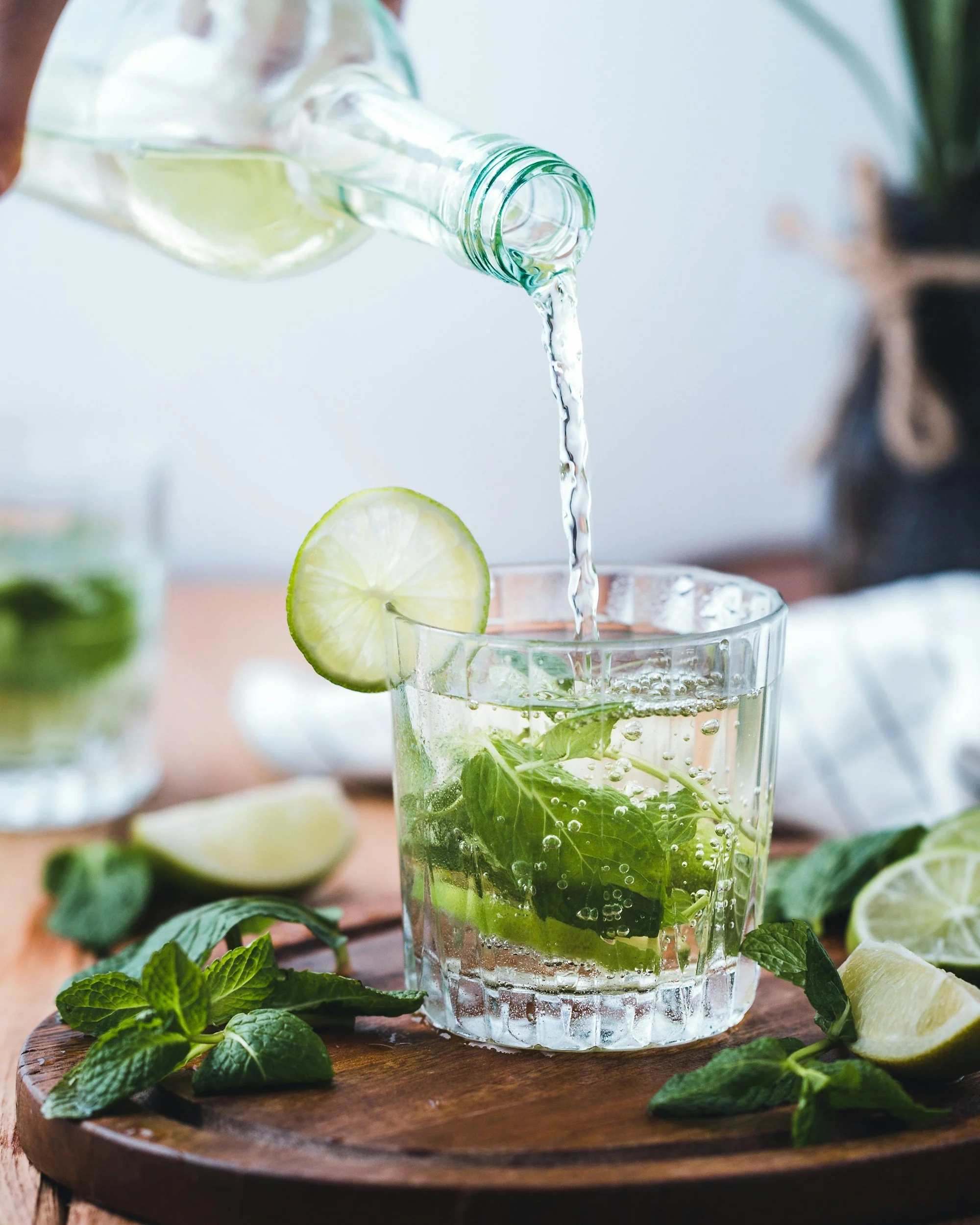
If plain water feels boring, infuse it with fruit, herbs, or cucumber slices. It adds variety without added sugar.
5. Pair Water with Daily Habits
Drink a glass before every meal, after brushing your teeth, or before each work meeting. Linking it to routines makes it stick.
6. Track Your Progress
Apps, journals, or even tally marks on a sticky note can keep you accountable. Watching the numbers climb is motivating.
Other Ways to Hydrate
Water isn’t the only source of hydration. Foods and drinks also contribute to your daily intake:
Fruits and vegetables. Watermelon, cucumbers, oranges, and celery are hydration powerhouses.
Soups and broths. Nutritious and hydrating at the same time.
Herbal teas. Naturally caffeine-free options can boost hydration.
Just be mindful: caffeine and alcohol can actually dehydrate you, so balance them with extra water.
The Mental Health Connection
Hydration isn’t only about the body. It affects the mind, too. Dehydration increases cortisol (the stress hormone), which can worsen anxiety. On the flip side, drinking enough water supports mood stability, mental clarity, and even sleep quality. Think of every glass of water as a small act of kindness to your mind.
Breaking the “I Don’t Like Water” Excuse
Many people say they don’t like the taste of water, or they simply forget. Here’s the truth: your brain can be retrained. Start small. Replace one soda a day with water. Add slices of lemon or mint until your taste buds adapt. Gradually, your body will start craving water, because it knows how good it feels when you’re hydrated.
The Ripple Effect of Hydration
Hydrating isn’t just about preventing headaches or boosting focus in the moment. It ripples out into every part of life:
Work becomes more productive.
Exercise feels more sustainable.
Skin looks healthier.
Energy lasts longer.
Moods stay steadier.
It’s one of the simplest habits with the most profound payoffs.
Final Thought
Hydration is not glamorous. It won’t trend on social media the way new diets or workout challenges do. But it is foundational; a basic, powerful way to support your body and mind. So here’s the challenge: push yourself to get hydrated. Keep water close, drink it often, and notice the difference. You’ll feel it in your energy, your focus, and your mood. And once you experience the benefits, you’ll never want to go back. Remember: water is life. Treat it like the priority it is.
Disclaimer: The content on this blog is for informational and entertainment purposes only. It reflects personal opinions and experiences and should not be taken as professional medical, financial, legal, or psychological advice. Always consult a qualified professional before making decisions that may impact your health, finances, or well-being. While every effort is made to keep information accurate and up to date, no guarantees are made about completeness or reliability. Use the information at your own discretion and risk.