
Overcoming Being Behind: Progress Isn’t Linear
Overcoming Being Behind: Progress Isn’t Linear
For a long time, I measured my life against other people’s timelines. I’d scroll through social media and see friends hitting milestones, such as promotions, marriages, new houses, and dream vacations (and quietly compare). I’d think, I should be further along by now. Even when I was making progress, it never felt like enough because it didn’t look like theirs.
That mindset wore me down. It made every setback feel like proof that I was failing. It made every detour feel like wasted time. And the more I compared, the more I convinced myself I was permanently behind, destined to play catch-up forever.
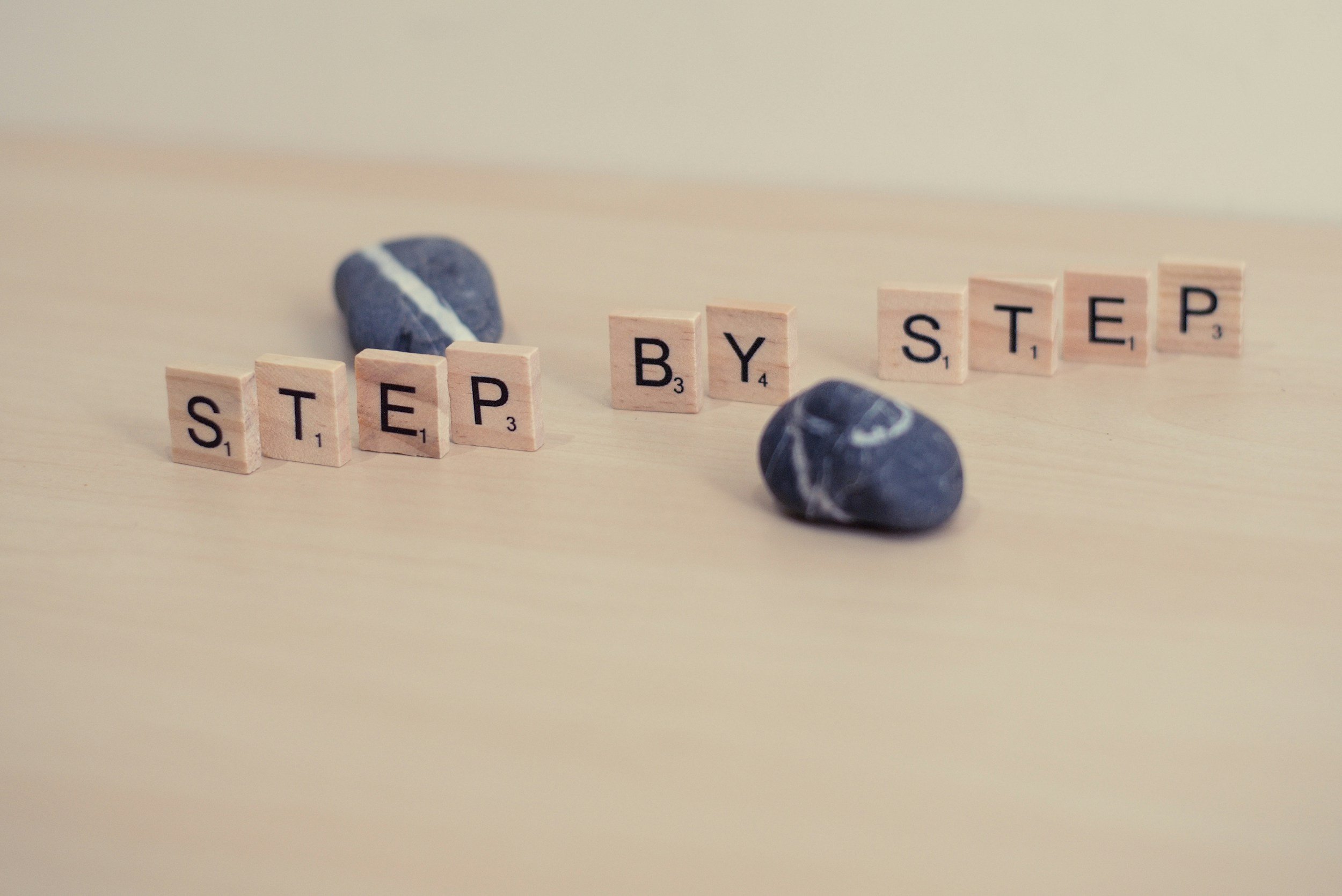
The turning point came when I realized that nobody’s life is actually a straight line. Even the people who looked like they had it all together had moments of doubt, failure, and detours I couldn’t see from the outside. Progress wasn’t supposed to be a ladder you climb evenly step by step, it was a winding path, full of pauses, setbacks, and unexpected turns that still move you forward.
Once I stopped chasing other people’s timelines and started respecting my own, everything shifted. I could see my growth more clearly. I could appreciate the lessons in the setbacks. And I finally understood that being “behind” is just a story we tell ourselves. One that ignores the truth that progress is always happening, even when it doesn’t look like it.
Lesson 1: Detours Teach You Things Milestones Don’t
It’s easy to look at setbacks as wasted time, but often those “wrong turns” end up teaching you skills, resilience, or perspective you wouldn’t have gained otherwise. Sometimes the detour becomes the very thing that prepares you for the next step forward.
Example: Maybe you didn’t land your dream job right away, but the jobs you took in the meantime taught you adaptability and people skills. That’s progress, even if it doesn’t look like it on paper.
Takeaway: Stop discounting the lessons that come from detours. They may not match the timeline you envisioned, but they still move you forward.
Lesson 2: Comparison Warps Reality
When you feel behind, it’s often because you’re looking sideways instead of inward. Social media, peers, and even family timelines can make you feel like you’re lagging. But you’re only seeing curated highlights — not the private struggles, setbacks, and doubts that others go through.
Example: That friend who bought a house early might also be drowning in debt. The coworker who got promoted may be sacrificing balance. Nobody posts the full picture.
Takeaway: Your path is unique, and comparison is a distorted lens. Focus on your own growth instead of competing with timelines that aren’t yours.
Lesson 3: Growth Isn’t Always Visible
Progress doesn’t always look like big achievements. Sometimes it’s the quiet, internal growth that matters most: healing, developing patience, learning discipline, or simply surviving a hard season. These invisible shifts lay the foundation for visible success later.
Example: Spending a year working on your mental health might not look like “progress” from the outside, but it makes you stronger and more capable for everything that follows.
Takeaway: Just because progress isn’t flashy doesn’t mean it’s not happening. Give yourself credit for the unseen growth.
Lesson 4: Setbacks Aren’t the End, They’re Part of the Path
When something falls apart, a relationship, a job, or a goal; it’s tempting to label it as failure. But often, setbacks are simply redirections. They push you to pivot, adapt, or approach things differently, which is still progress.
Example: Losing a job might feel devastating, but it can also open the door to a career you’d never have considered otherwise.
Takeaway: Progress isn’t about avoiding setbacks, it’s about how you respond to them. A stumble doesn’t erase the ground you’ve already covered.
Lesson 5: Progress Moves at Different Speeds
Some seasons of life feel fast-paced. It feels like everything is clicking, and milestones pile up. Other seasons feel painfully slow, like nothing is happening. Both are normal. The slow stretches are often where the groundwork is being laid for the breakthroughs that come later.
Example: A writer might spend months stuck in drafts, only to finally publish a book that makes sense of all that time. The “slowness” was necessary for the result.
Takeaway: Don’t mistake slow progress for no progress. Different seasons demand different speeds.
Lesson 6: There Is No Universal Timeline
The biggest lie about being behind is the idea that there’s one “right” schedule for life that you’re supposed to hit certain milestones by certain ages. The truth is, there’s no universal calendar for success, happiness, or growth. You’re not late; you’re simply on your path.
Example: Some people start businesses in their twenties. Others start in their fifties. Both stories matter. Both are valid.
Takeaway: The only timeline that matters is yours. If you’re still moving, still learning, and still growing, you’re not behind you’re right where you need to be.
Final Thoughts
For years, I told myself I was behind. Behind in my career, behind in relationships, behind in figuring out who I was and where I was going. That belief weighed me down more than any actual setback ever could. It wasn’t the slow progress that held me back, and it was the story I kept repeating about what that meant.
What I’ve learned is that progress doesn’t happen in a straight line. It’s messy, unpredictable, and often invisible until you look back and realize how far you’ve come. Setbacks, detours, slow seasons; they’re not proof you’ve failed. They’re proof you’re still moving, still growing, still alive enough to keep trying.
The truth is, there is no universal timeline. The idea that you’re “behind” is just a comparison game with rules no one can actually win. Your journey is yours, and as long as you’re taking steps — big or small — you’re not behind. You’re becoming.
So instead of measuring your life against a clock or a checklist, measure it by your growth, your resilience, and your willingness to keep going. Because the only way to truly fall behind is to stop moving altogether.
Take a moment to reflect:
Where in your life do you feel “behind” right now?
What lesson or strength have you gained from the detours or setbacks you’ve faced?
How might your perspective shift if you saw progress as a winding path instead of a straight line?
Write your answers down, or just carry them with you into this week. Remember: progress isn’t about being first, fast, or perfect. It’s about continuing, no matter what the path looks like. And you? You’re right on time.
Disclaimer:
The content on this blog is for informational and entertainment purposes only. It reflects personal opinions and experiences and should not be taken as professional medical, financial, legal, or psychological advice. Always consult a qualified professional before making decisions that may impact your health, finances, or well-being. While every effort is made to keep information accurate and up to date, no guarantees are made about completeness or reliability. Use the information at your own discretion and risk.